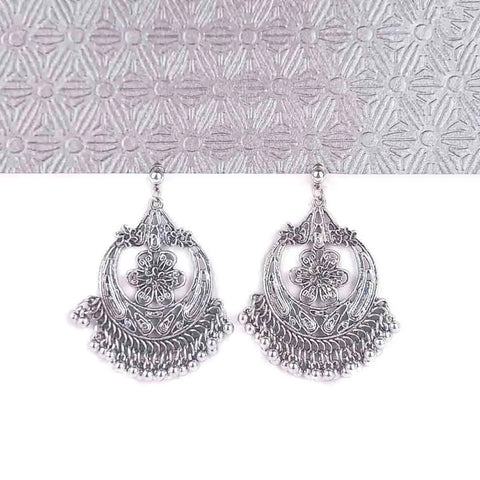


The main types of jhumka earrings include Meenakari, bell, dome, pearl, beaded, hand-painted, and contemporary styles. Each has a distinct silhouette and detailing, making some better suited to weddings and festive outfits, while others work beautifully with sarees, kurtas, Indo-Western looks, and everyday dressing.
The types of jhumka earrings range from traditional bell-shaped and Meenakari designs to pearl-detailed, beaded, dome and contemporary styles. Choosing the right pair depends on your outfit, occasion, face shape and personal style. From a festive saree to a simple kurta, the right jhumka can transform the entire look. Here’s how to find yours.
What Are Jhumka Earrings?
Jhumkas are traditional Indian earrings recognised by their rounded or bell-like lower structure, often finished with beads, pearls or decorative drops. Their distinctive silhouette gives them movement and character, which is why they have remained a favourite across generations.
While traditional jhumkas are strongly associated with Indian festive and bridal jewellery, contemporary designs have made them much more versatile. Today, you can find colourful Meenakari versions, understated pearl styles, artistic hand-painted designs and modern geometric interpretations.
The beauty of jhumkas lies in this balance between heritage and versatility. A single pair can complement a silk saree for a wedding or add an ethnic touch to a simple kurta.
Types of Jhumka Earrings You Should Know
Understanding the different types of earrings makes it easier to choose a pair that suits your wardrobe and occasion.
1. Meenakari Jhumka Earrings
Meenakari jhumkas feature colourful enamel detailing, often inspired by flowers, leaves and traditional motifs. Their vibrant appearance makes them particularly popular for festive dressing.
For a colourful ethnic outfit, Floral Meenakari Bell Jhumka can add a traditional finishing touch. Other options such as Colourful Meenakari Bell Jhumka and Bright Floral Meenakari Bell Jhumka bring more colour into the look.
If you prefer an artistic, nature-inspired aesthetic, Garden Meenakari Bell Jhumka is another way to introduce detailed colour without relying on heavy jewellery.
2. Bell Jhumka Earrings
Bell jhumkas have the classic silhouette most people associate with this jewellery style. The rounded lower section resembles a bell and may be finished with tiny beads or pearls that move gently as you walk.
They work particularly well with sarees, Anarkalis, lehengas and traditional kurta sets. For a more colourful interpretation, Gulnaar Red Pearl Meenakari Bell Jhumka combines a traditional form with decorative colour, while Blue Petal Meenakari Bell Jhumka offers a cooler palette.
3. Dome Jhumka Earrings
Dome jhumkas have a rounded, structured shape that can look both traditional and contemporary. Compared with more elaborate designs, their defined silhouette can feel polished and easy to style.
Discov Accessories offers several interpretations of this form, including Floral Bloom Dome Meenakari Jhumka, Floral Printed Meenakari Dome Jhumka and Pastel Sage Handpainted Meenakari Dome Jhumka.
For a more graphic look, Monochrome Grid Meenakari Doom Jhumka introduces a geometric feel to the familiar jhumka silhouette.
4. Pearl Jhumka Earrings
Pearls soften the traditional jhumka shape and create a graceful, refined appearance. Pearl detailing works especially well for weddings, festive celebrations and outfits in lighter or pastel shades.
Gulnaar Red Pearl Meenakari Bell Jhumka, Blue Gold Muse Pearl Meenakari Jhumka and Floral Meenakari Beaded Pearl Jhumka show how pearl details can be combined with colour and traditional motifs.
5. Beaded Jhumka Earrings
Beaded designs add movement, texture and visual interest. The beads may form a fringe around the lower edge or become part of the overall decorative pattern.
They are particularly suited to festive outfits where you want your earrings to feel lively without necessarily choosing a heavily embellished pair.
Styles such as Floral Meenakari Beaded Jhumka, Meenakari Floral Spring Beaded Jhumka and Floral Meenakari Beaded Pearl Jhumka offer different interpretations of this decorative approach.
6. Hand-Painted and Artistic Jhumkas
Hand-painted styles bring an artistic quality to traditional jewellery. Instead of relying entirely on metallic embellishment, they use colour, motifs and painted detailing to create a distinctive appearance.
Pastel Sage Handpainted Meenakari Dome Jhumka is well suited to softer colour palettes, while Blush Petal Meenakari Jhumka offers a delicate floral direction. For a more garden-inspired look, Garden Meenakari Bell Jhumka adds colour and motif-driven detail.
7. Contemporary Jhumka Designs
Modern jhumkas reinterpret familiar forms through unusual colour combinations, geometric patterns, simplified detailing or unexpected finishes.
Classic Check Meenakari Jhumkas and Monochrome Grid Meenakari Doom Jhumka are useful examples of how traditional silhouettes can work with a more contemporary wardrobe.
How to Choose the Right Type of Jhumka Earrings
The best choice is not necessarily the most elaborate one. Think about where you plan to wear the earrings, what you are wearing with them and how prominent you want your jewellery to look.
By Occasion
Weddings: Choose detailed Meenakari, pearl or statement jhumkas that complement the richness of the outfit.
Festivals: Colourful designs work beautifully with festive clothing and allow you to introduce another shade into your look.
Office or daytime events: Opt for smaller or visually balanced designs that add personality without overpowering your outfit.
Everyday wear: Lightweight-looking, uncomplicated silhouettes are easier to pair with kurtas, cotton sarees and casual ethnic clothing.
By Outfit
With a saree, classic bell or pearl jhumkas create a naturally cohesive look.
With a lehenga, statement Meenakari or embellished jhumkas can complement the richness of the outfit.
With a kurta or kurta set, colourful or medium-sized designs can add interest without making the look feel overly formal.
With an Indo-Western outfit, try contemporary or geometric interpretations for a more balanced combination.
Which Jhumka Earrings Suit Different Face Shapes?
Your face shape can help you decide how much width or length you want your earrings to add.
Round Face
Longer or slightly elongated jhumkas can introduce visual length and create a balanced appearance. For more guidance, see our guide on which type of earrings suits on a round face.
Oval Face
An oval face generally works well with a variety of silhouettes, so you can experiment with bell, dome, pearl and statement styles. You can also explore our guide on which type of earrings suits on an oval face.
Square Face
Rounded designs can complement stronger jawlines by introducing softer curves around the face.
Long or Oblong Face
Wider, fuller jhumkas can add visual balance. Dome-shaped designs are particularly useful when you want more width rather than additional length.
Remember that face-shape advice is a styling guideline, not a rule. Comfort and personal preference should always come first.
How to Style Jhumka Earrings
The best types of jhumka earrings are the ones that complement rather than compete with the rest of your outfit.
With Sarees
Pair traditional bell, Meenakari or pearl jhumkas with silk, cotton or printed sarees. If the saree already has heavy embellishment, choose earrings with a defined silhouette rather than adding too many competing details.
With Lehengas
A statement jhumka can work beautifully with a festive lehenga. If your blouse has intricate embroidery, consider matching one colour from the outfit rather than trying to match every detail.
With Kurtis and Kurta Sets
This is where colourful jhumkas can become an everyday styling tool. A floral or beaded pair can turn a simple kurta into a more considered outfit.
With Indo-Western Outfits
Contemporary jhumkas can bridge the gap between traditional jewellery and modern clothing. Try pairing a geometric or monochrome design with a solid-coloured dress, shirt or coordinated set.
How to Pair Your Hairstyle With Jhumka Earrings
Your hairstyle affects how visible your earrings appear.
An updo or low bun exposes the ears and allows statement jhumkas to become the focal point.
With open hair, larger earrings can sometimes disappear into the hair, so a more defined silhouette or brighter colour can help them stand out.
For braids and half-up hairstyles, traditional jhumkas can reinforce the ethnic character of the look without requiring additional heavy accessories.
Traditional vs Modern Jhumka Earrings: Which Should You Choose?
Traditional jhumkas generally focus on familiar silhouettes, ornate detailing and classic Indian motifs. Modern designs may simplify the shape or introduce geometric, pastel, monochrome or artistic elements.
| Traditional Jhumkas | Modern Jhumkas |
|---|---|
| Classic bell or dome silhouettes | Contemporary interpretations |
| Rich ethnic detailing | Artistic or geometric details |
| Ideal for festive and traditional outfits | Versatile for modern styling |
| Often more ornate | Can feel lighter and understated |
Neither is inherently better. The right choice depends on your wardrobe and the occasion.
How to Choose the Right Size of Jhumka Earrings
Size can change the entire effect of your jewellery.
Small jhumkas are easy to wear with everyday outfits and work well when your clothing already has strong detailing.
Medium jhumkas offer versatility and can transition from daytime occasions to festive gatherings.
Large statement jhumkas work best when you want your earrings to become a central part of the look. They pair particularly well with simpler necklines and hairstyles that keep the ears visible.
Consider your comfort, outfit volume, hairstyle and face proportions before choosing.
Why Meenakari Jhumkas Are a Versatile Choice
Among the many types of jhumka earrings, Meenakari styles stand out for their ability to introduce colour without losing the traditional character of the silhouette.
A floral Meenakari jhumka can complement a printed saree, add contrast to a plain kurta or echo a colour from a festive lehenga. Pastel designs can create a softer look, while brighter shades make a stronger statement.
The key is not to match every accessory exactly. Instead, choose one or two colours from the jhumka and let them connect naturally with the rest of your outfit.
How to Care for Your Jhumka Earrings
Good jewellery care helps preserve the appearance of your earrings for longer.
-
Store jhumkas in a dry, clean jewellery box or pouch.
-
Keep them away from perfumes, sprays, and cosmetics.
-
Avoid exposing them unnecessarily to moisture.
-
Wipe them gently with a soft, dry cloth after wearing.
-
Store colourful or detailed pieces separately to prevent scratches or tangling.
-
Follow the specific care instructions provided with your jewellery.
Taking a few seconds to care for your earrings after wearing them can make them easier to enjoy repeatedly.
Find Your Jhumka Style at Discov Accessories
Knowing the types of jhumka earrings is only the beginning. The right pair is the one that fits naturally into your wardrobe, complements the occasion and feels like an extension of your personal style.
From colourful Meenakari designs and classic bell silhouettes to pearl-detailed and contemporary interpretations, Discov Accessories offers a range of earrings designed to bring character to everyday and occasion dressing.
Explore the collection, find the silhouette that catches your eye, and let your next pair of jhumkas become the detail that brings the entire outfit together.
Frequently Asked Questions
Q1. How do I choose the right type of jhumka earrings?
Choose according to your outfit, occasion, face shape, desired size and personal style. For everyday wear, consider simpler designs; for weddings and festivals, detailed Meenakari, pearl or statement styles work well.
Q2. Can jhumka earrings be worn with Western outfits?
Yes. Contemporary, geometric, monochrome or smaller jhumkas can work with dresses, shirts, jeans and Indo-Western outfits. Keep the rest of your accessories relatively simple so the earrings remain balanced.
Q3. Is Meenakari a good choice for festive wear?
Yes. Meenakari jhumkas are especially suitable for festive dressing because their colourful detailing complements traditional Indian outfits and can introduce an additional colour to the overall look.
Q4. Will jhumkas suit every face shape?
Yes. Jhumkas come in different widths, lengths and silhouettes, so you can choose a shape that complements your facial proportions. Face-shape guidelines are useful, but comfort and personal preference matter most.
Q5. What are the most popular types of jhumka earrings?
Popular styles include bell, dome, Meenakari, pearl, beaded and contemporary jhumkas. The most suitable style depends on the outfit, occasion and overall aesthetic you prefer.
Q6. Why are jhumka earrings so popular?
Jhumkas combine a recognisable Indian jewellery silhouette with remarkable styling versatility. They can complement traditional clothing while contemporary versions also work with modern and Indo-Western outfits.
Q7. How should I style jhumkas with a saree?
Match the scale and detailing of the earrings with the saree. Traditional Meenakari, bell and pearl jhumkas pair naturally with ethnic sarees, while simpler designs can balance heavily embellished fabrics.
Q8. What size jhumka should I wear?
Small jhumkas are practical for everyday looks, medium designs offer the most versatility, and large jhumkas work well when you want statement jewellery. Consider your hairstyle, neckline, outfit volume and comfort.