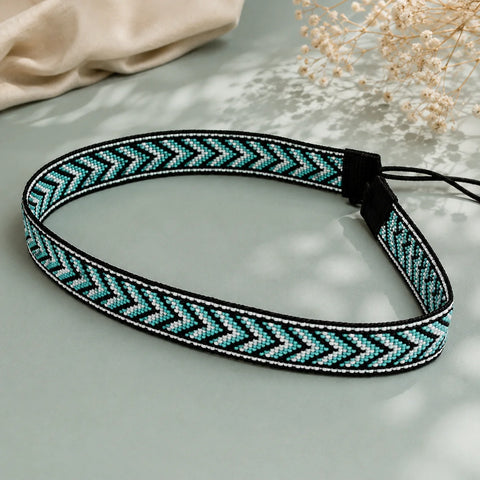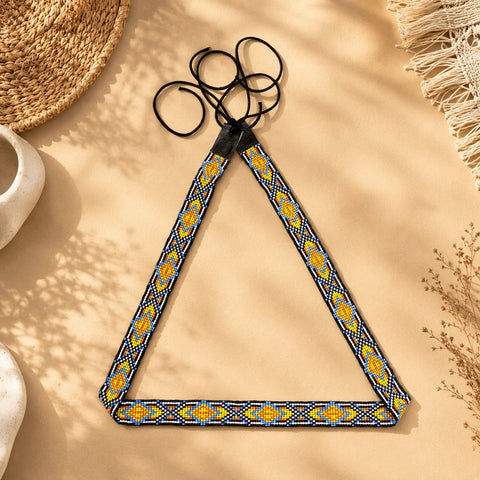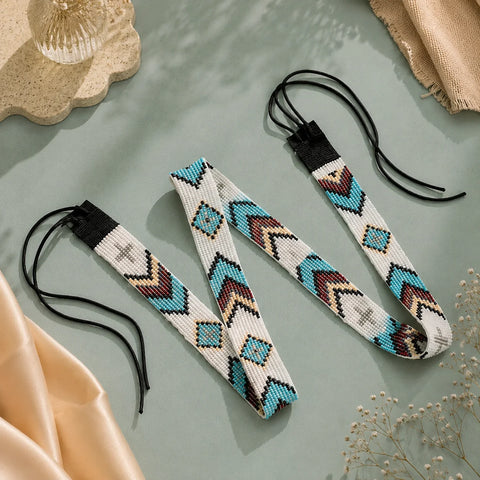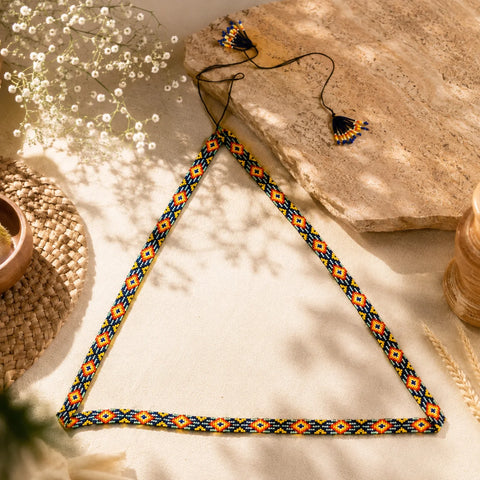


Wearing a belt with a kurti or saree depends on the outfit’s silhouette, fabric, and proportions. Place the belt around the natural waist or slightly above it, secure it comfortably, and balance the look with simple accessories. The same principle works for dresses and blazers, creating definition without overwhelming the outfit.
A belt can turn a relaxed dress, straight kurti, flowing saree, or oversized blazer into a more defined outfit. How to wear a belt with kurti or saree is less about following strict rules and more about balancing proportion, texture, and placement. Discov Accessories brings together raffia, beaded, and statement belts that make this styling approach easy to explore. Start with the silhouette you already love, then let the belt change its character.
Discov Accessories’ belts for women collection includes raffia, woven, beaded and statement styles to suit different outfits.
How to Choose the Right Belt for Your Outfit
Before styling a belt, look at the outfit rather than choosing the accessory in isolation. The right belt should complement the fabric, shape, and occasion.
Consider the Belt Width
-
Thin belts: Work well with lightweight dresses and understated outfits.
-
Medium-width belts: Offer definition without becoming the focal point.
-
Wide belts: Suit relaxed, oversized or flowing silhouettes when you want stronger waist definition.
Consider the Material
Texture changes the personality of an outfit. Raffia and woven belts have a relaxed, summery character, while beaded belts introduce colour and visual detail. A simple structured belt works better when the clothing already has prints, embroidery or other statement elements.
Discov Accessories' belt collection includes raffia, woven, beaded and statement styles, giving you different textures to work with depending on the outfit.
Consider the Occasion
|
Outfit or Occasion |
Belt Style to Consider |
|
Casual dress |
Raffia or woven belt |
|
Brunch or resort wear |
Textured or raffia belt |
|
Kurti |
Beaded or woven belt |
|
Saree |
Beaded, statement or textured belt |
|
Office blazer |
Simple, structured belt |
|
Evening outfit |
Statement or embellished belt |
How to Wear a Belt With a Dress
A belt works especially well with dresses because it can introduce definition to an otherwise straight or flowing silhouette.
Step 1: Start With the Dress
Shirt dresses, maxi dresses, midi dresses and relaxed silhouettes are all good starting points. A plain dress gives a statement belt more room to stand out, while a printed dress generally works better with a simpler belt.
Step 2: Find Your Waist
Place the belt around your natural waist for a classic proportion. If the dress is particularly long or loose, positioning the belt slightly higher can create a more balanced silhouette.
Step 3: Secure It Comfortably
The belt should hold its position without pulling or gathering too much fabric. Allow the dress to retain some natural movement.
Step 4: Balance the Accessories
If the belt is textured or colourful, keep the rest of the accessories relatively understated. Your shoes, bag and jewellery do not need to match the belt exactly.
Step photos: Show the dress without a belt, belt placement, securing the belt and the finished outfit.
Dress + Raffia Belt
A raffia belt is particularly suited to cotton, linen and relaxed summer dresses. Discov's raffia styles bring natural texture to simple silhouettes and work well when the goal is a relaxed but considered finish.
How to Wear a Belt With a Kurti
How to wear a belt with kurti styling comes down to creating definition while retaining the easy character of the garment. A belt can turn a straight or oversized kurti into a more structured Indo-Western outfit.
Step 1: Choose the Right Kurti
Straight, long, and relaxed kurtis are particularly easy to belt. Shirt-style kurtis can also work well because their structured details naturally complement a defined waist.
Step 2: Position the Belt
Place the belt around your natural waist or slightly above it. With a long kurti, a higher placement can help establish a clearer proportion between the upper and lower half of the outfit.
Step 3: Choose Your Bottom
Pair the belted kurti with:
-
Straight trousers
-
Cigarette pants
-
Palazzos
-
Jeans
-
A flowing skirt
The choice depends on how traditional or contemporary you want the outfit to feel.
Step 4: Keep the Accessories Balanced
If you choose a detailed beaded belt, avoid adding too many competing statement pieces. Simple earrings, a bracelet, or a structured bag can complete the outfit without making it feel crowded.
Step photos: Photograph the kurti without the belt, demonstrate waist placement, secure the belt, and show the finished look from the front.
Kurti + Beaded Belt
Beaded belts are particularly effective with solid-coloured kurtis because they introduce colour and texture without requiring a change of clothing. Discov's beaded styles include multicolour, geometric and contrasting patterns that can add a more distinctive element to an otherwise simple kurti.
Discover Discov's Beaded Belts
How to Wear a Belt With a Saree
How to wear a belt with saree styling requires slightly more attention because the belt sits over a draped garment. Used thoughtfully, it can define the waist, help hold the drape in place, and give a traditional saree a contemporary character.
Step 1: Drape the Saree Normally
Complete your basic saree drape before introducing the belt. Arrange the pleats neatly and make sure the pallu falls where you want it.
Step 2: Adjust the Pallu
A belt can secure an open pallu, but it should not crush important borders, embroidery or other detailing. Give the pallu enough room to fall naturally.
Step 3: Place the Belt
Position it around the waist, generally where the saree naturally sits. A medium-width belt is a versatile starting point because it provides definition without covering too much of the saree.
Step 4: Secure and Adjust
Fasten the belt firmly enough to keep the styling in place, then smooth any fabric gathered underneath it.
Step 5: Finish With Jewellery
The belt should work with the jewellery rather than compete with it. If the belt has beads or strong detailing, consider simpler earrings or a restrained necklace.
Step photos: Show the saree before the belt, placement around the waist, securing the belt, adjusting the pallu, and the finished look.
Saree + Raffia Belt
A textured raffia belt creates a relaxed interpretation of saree styling and is especially suitable for daytime, resort, or contemporary looks. Pair a natural-toned raffia belt with a relatively simple saree to let the texture become part of the outfit.
Saree + Beaded Belt
For a more expressive look, choose a beaded belt with a plain or minimally detailed saree. Colourful beadwork can become the connecting element between the saree, blouse and accessories.
How to Wear a Belt With a Blazer
Belting a blazer changes its proportions and can give an oversized or relaxed jacket a more defined shape.
Step 1: Choose a Relaxed Blazer
An oversized or slightly relaxed blazer usually provides enough fabric to sit comfortably over a belt.
Step 2: Build the Base Outfit
Wear the blazer over:
-
A fitted top and trousers
-
A dress
-
Jeans and a simple shirt
-
A skirt and blouse
Step 3: Position the Belt
Place the belt around the natural waist. Avoid pulling the blazer excessively tight because some relaxed drape helps maintain the intended shape.
Step 4: Adjust the Layers
Smooth the blazer around the belt and allow the fabric above and below it to fall naturally.
Step photos: Show the blazer without a belt, belt placement, adjusting the jacket, and the final outfit.
Which Belt Works Best With Each Outfit?
Choosing the right style becomes easier when you think about the visual effect you want.
-
Dress: Choose raffia or a slim textured belt for relaxed styling.
-
Kurti: Try a beaded or woven belt for an Indo-Western finish.
-
Saree: Use a beaded or statement belt when you want more visual interest.
-
Blazer: Choose a simpler belt when the blazer already has a strong silhouette.
The goal is contrast without conflict. A detailed outfit usually benefits from a quieter belt, while a simple outfit can carry a more expressive design.
Once your belted kurti is ready, finish the look with some earrings to wear with a kurti that keep the accessories balanced.
Common Belt Styling Mistakes to Avoid
Even a beautiful belt can look out of place when the proportions are wrong.
Choosing the Belt Before the Outfit
Start with the clothes. The belt should support the silhouette rather than dictate it.
Wearing the Belt Too Tightly
A belt should define the waist without causing excessive bunching or restricting movement.
Ignoring Fabric
A heavy-looking belt can overwhelm very delicate fabric, while an extremely delicate belt may disappear against a structured outfit.
Adding Too Many Statement Pieces
A beaded belt, large necklace, oversized earrings, and elaborate bag can compete for attention. Choose one or two focal elements.
Placing the Belt Automatically at the Narrowest Point
Natural waist placement works for many outfits, but not every silhouette requires the same position. Check the proportions of the entire outfit first.
Find Your Belt at Discov Accessories
The right belt can change the proportion of an outfit without asking you to replace the outfit itself. A raffia belt can bring texture to a relaxed dress, a beaded belt can add character to a kurti or saree, and a more understated style can give structure to a blazer.
Explore Discov Accessories' collection to find a belt that fits the way you already dress, then experiment with placement, texture and proportion.
Frequently Asked Questions
Q1. How do you wear a belt with a kurti?
Place the belt around your natural waist or slightly above it, depending on the kurti's length and silhouette. Pair it with straight pants, jeans, palazzos, or a skirt, and keep the remaining accessories balanced.
Q2. Can you wear a belt with a saree?
Yes. A belt can be worn over a saree to define the waist, secure the pallu, and create a contemporary silhouette. Choose the belt according to the saree's fabric, detailing, and occasion.
Q3. Is a beaded belt suitable for a saree?
Yes. A beaded belt works particularly well with plain or minimally detailed sarees because it introduces texture and colour. Keep the rest of the accessories relatively restrained when the belt is highly decorative.
Q4. Will a belt make a kurti look too Western?
Not necessarily. The overall effect depends on the belt, footwear, and other styling choices. A woven or beaded belt can maintain an Indian or Indo-Western character while adding definition to the kurti.
Q5. What type of belt is best for a dress?
A slim or medium-width belt is a versatile choice for most dresses. Raffia and woven belts work well with relaxed daytime dresses, while more structured or decorative belts can suit evening or occasion dressing.
Q6. Why wear a belt with a saree?
A belt can define the waist, help hold the drape in place, and introduce a modern element to traditional saree styling. It also provides an easy way to change the character of a familiar saree without changing the garment itself.
Q7. How do you wear a belt with an oversized blazer?
Place the belt around the natural waist over the closed or overlapping blazer. Keep enough room for the blazer to drape naturally, then pair it with streamlined trousers, jeans, a skirt or a dress.
Q8. Can raffia belts be worn beyond summer outfits?
Yes. Raffia belts can work with dresses, kurtis, sarees and other relaxed outfits throughout the year. Their natural texture is particularly effective when paired with simple fabrics and understated accessories.